
Call: (727) 786-3336 or Email:
Call: (727) 786-3336 or Email:

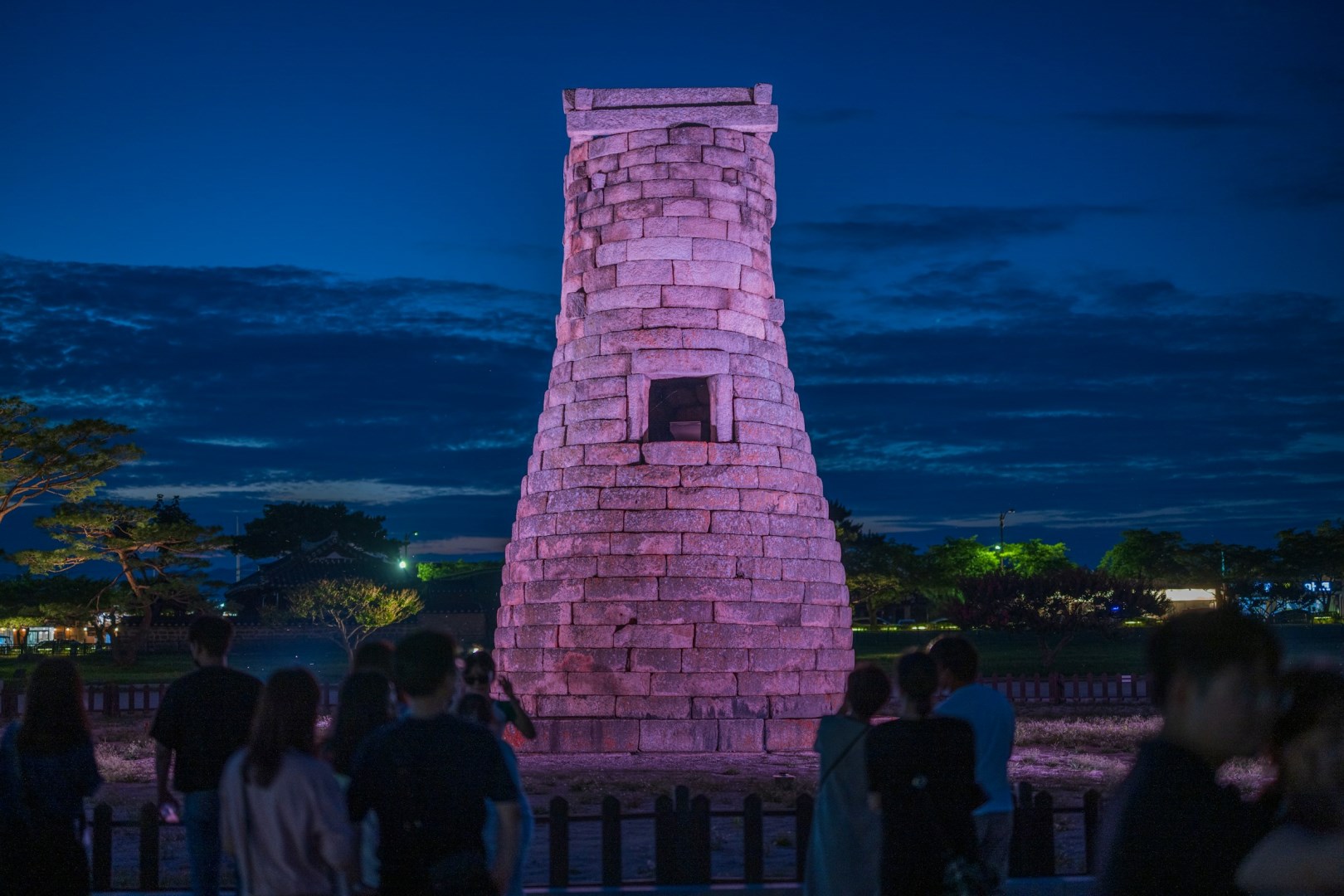

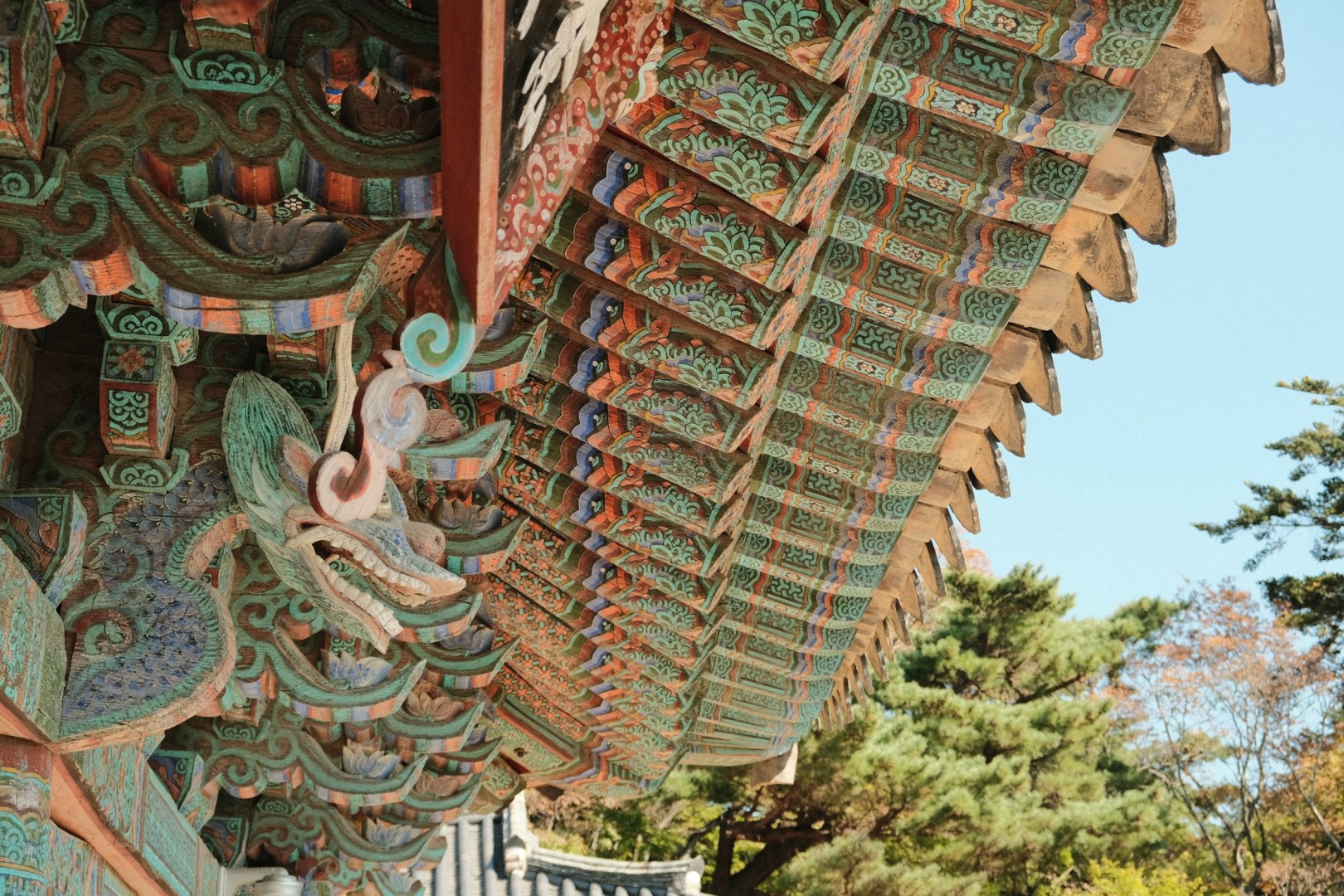
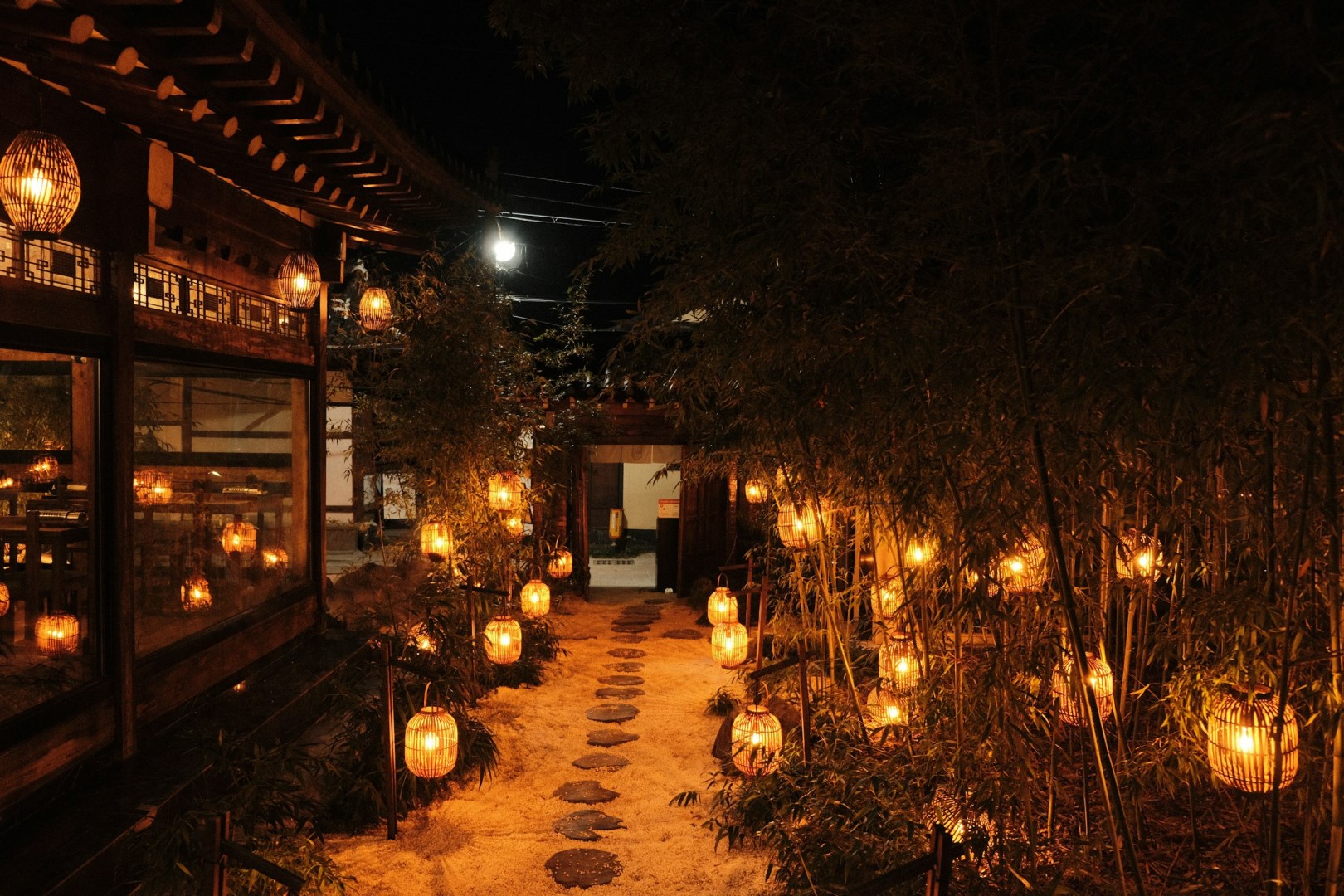
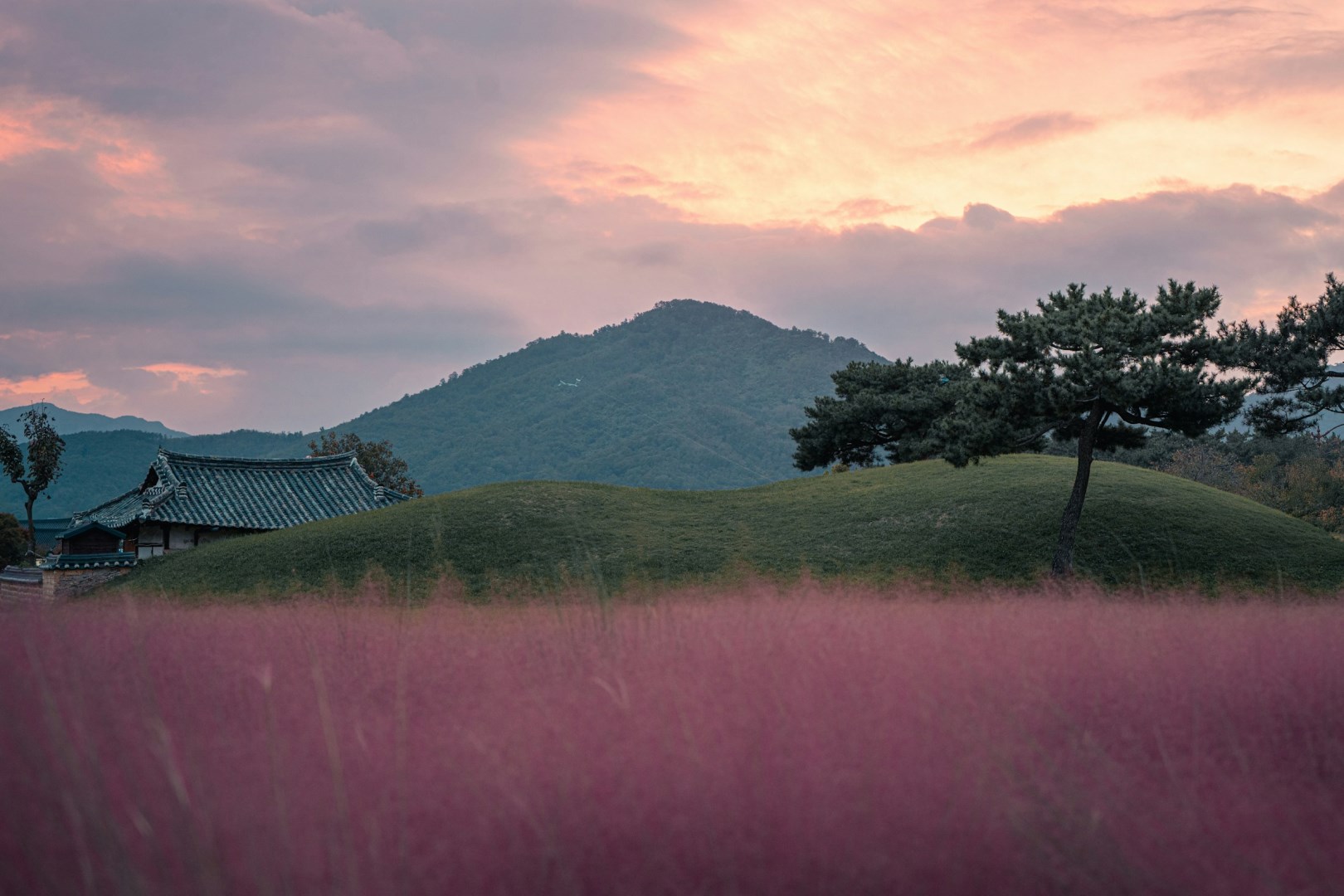

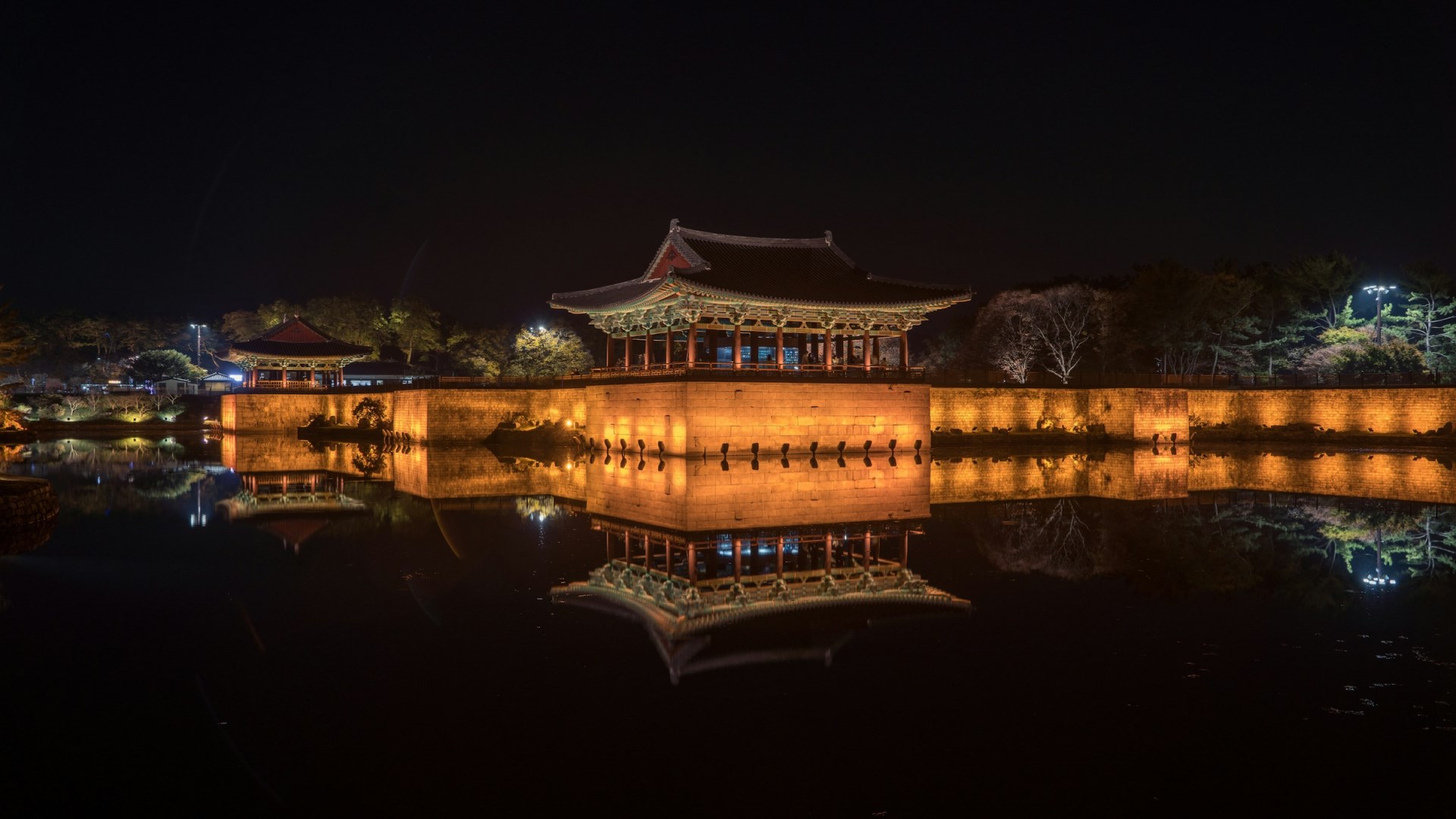
Gyeongju-si is a historic city in southeastern South Korea known for its close connection with the Silla kingdom and its concentration of archaeological sites, temples, royal tombs, and Buddhist monuments. Much of the city’s heritage is spread across open landscapes rather than confined to a single historic center. The Gyeongju Historic Areas include Mount Namsan, the Wolseong area, royal tomb complexes, and the remains of major temples and palaces. This combination of ancient monuments, wooded hills, ponds, and modern neighborhoods gives Gyeongju a distinctive cultural landscape within South Korea.
Gyeongju's identity is closely tied to Silla royal and Buddhist traditions. The city contains numerous stone sculptures, pagodas, temple remains, and burial mounds that reflect the artistic and religious culture of the Silla kingdom. Cheomseongdae, an ancient astronomical observatory, stands near the Wolseong area and is one of the city's best-known historic structures. The Daereungwon Ancient Tomb Complex contains large grass-covered royal burial mounds, while nearby Gyerim woodland is associated with traditional legends surrounding the origins of the Gyeongju Kim clan. These sites connect local landscapes with Korean history and cultural traditions.
Bulguksa Temple and the nearby Seokguram Grotto are among Gyeongju's most important landmarks and are jointly recognized as a UNESCO World Heritage property. Bulguksa contains stone terraces, bridges, pagodas, and Buddhist sculptures, while Seokguram houses a carved granite Buddha within a domed grotto on the slopes of Mount Toham. Mount Namsan provides another important cultural landscape, with Buddhist carvings, statues, pagodas, temple remains, and fortress sites distributed across its wooded slopes. Donggung Palace and Wolji Pond offer a different setting, combining reconstructed palace structures with a landscaped pond.
Gyeongju's food culture includes dishes associated with the wider Gyeongsang region as well as local specialties sold around its traditional markets and historic districts. Hwangnam-ppang, a small red-bean pastry, is particularly associated with Gyeongju and is commonly purchased as a local food gift. Visitors can also find ssambap, in which rice and other ingredients are wrapped in fresh leaves, along with Korean soups, grilled dishes, and seasonal vegetables. The city's traditional markets and restaurants provide a useful complement to its archaeological sites, allowing its historic identity to be experienced through both cultural landmarks and everyday food.


Seoul, the capital of South Korea, is a city where history and modernity coexist. Ancient palaces like Gyeongbokgung and Changdeokgung stand amid skyscrapers and contemporary architecture, offering a glimpse into the country’s rich heritage. The city’s neighborhoods, from Insadong’s traditional streets to Gangnam’s sleek districts, showcase its cultural and economic diversity.
 ACCENT on TRAVEL
34931 US 19N - Suite 109, Palm Harbor, FL 34684
Call: (727) 786-3336 | Email: